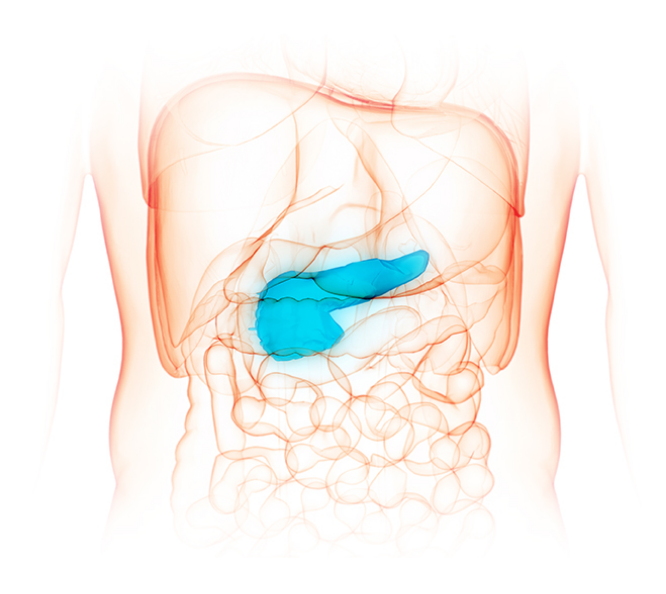
Who needs pancreas transplant?
A pancreas transplant can restore normal insulin production and improve blood sugar control in people with diabetes, but it’s not a standard treatment. Doctors may consider a pancreas transplant for people with age below 65 years and have any of the following condition:
- Type 1 Diabetes with uncontrolled blood sugar levels
- DM with very low and very high blood sugar levels
- Type 1or Type 2 diabetes with renal failure, or complications like retinopathy, neuropathy
- Diabetes due to removal of pancreas
- Diabetes and on kidney dialysis
How do I Get a Pancreas?
Patients who need a pancreas transplant are listed with the Zonal Transplant Coordination Centre (ZTCC). ZTCC administers and maintains the national organ transplant waiting list. Once you register at our hospital. ZTCC will enter your medical information into a computer and will notify our transplant team when an organ becomes available based on your waiting time on the list, blood type and other factors.
Treatment
You will need a thorough evaluation by the Transplant Institute staff, in consultation with physicians, to determine if transplantation is the best treatment option. Being a good candidate for transplant depends upon your physical health, emotional well being, and ability to manage medication and care plans.
People with type 1 diabetes (inability to produce insulin), chronic pancreatitis or traumatic loss of pancreas may be candidates for a pancreas transplant. However, those with type 2 diabetes, where the body is unable to use the insulin it produces, have a special category to decide if they will benefit from a pancreas transplant.
Benefits of Pancreas Transplant
One of the biggest benefits to a pancreas transplant for people with type 1 diabetes
is lifestyle improvement. You will no longer need insulin injections, and you can enjoy
a regular diet. Depending on your health before the transplant, you are also likely to
experience greater independence and activity. Protection from kidney damage is the
other significant benefit because the new pancreas will help prevent high blood
sugar from damaging your body.
Some of the other benefits are as follows:
- No Frequent blood sugar checking
- No Insulin Injections
- No more complications of diabetes – retinopathy, vasculopathy, neuropathy
- Independent life
- Normal physical activity
- Normal diet
Outlook for Pancreas Transplant
Pancreas transplant is successful in about 90 percent of patients who no longer have to take insulin injections within the first year following the surgery. After the first year, more than two-thirds of pancreas transplant recipients are still off insulin. The rate of organ function is very high, with a half-life of about 10 years. In other words, after 10 years, half of the transplanted pancreases are still working, which in terms of organ transplants is very good. Those that are still working typically go on to work for many more years. Surgeons are hopeful that this success rate will climb even higher in the future because of ongoing improvements in medication that support the functioning of the transplanted pancreas.
Multidisciplinary Team
The Team comprises specialists and nurses and support staff from various fields who participate in the patient management for transplant. They Include:
- Transplant Surgeon
- Transplant Nephrologist
- Transplant Anesthesiologist
- Intensivists
- Cardiology & Pulmonary team
- Transplant Infectious Disease consultant
- Nutritionist
- Physiotherapy
- Psychology Counsellor/ Psychiatrist
- Transplant Coordinator
- Transplant Social Worker