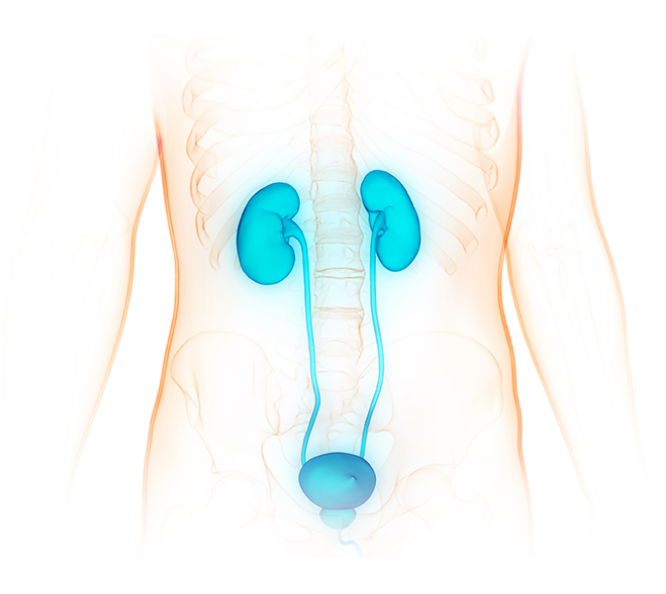
Options for Kidney Failure
The options of kidney failure are –
- Hemodialysis
- Peritoneal Dialysis
- Kidney Transplant
Of all these, Kidney transplant, provides a better long-term survival for kidney failure.
Comparing Kidney Transplant & Dialysis for Kidney Failure
Kidney Transplant
- Freedom from dialysis
- Better quality and quantity of life
- Sense of well being
- Ease of travel
- Normal physical activities
- Ease of working
- Successful pregnancy
- Less risk of heart failure
- Better survival of life
- Less expensive in the long term
- Risk of immunosuppression
Dialysis
- No rIsk of surgery of immunosuppression
- Dialysis requirement thrice a week or 4 times a week every month
- Restricted movement and work restriction
- Risk of heart failure
- Expensive in the long term
- Risk of death is high on long term dialysis
Types of Kidney Transplant
There are two main types of Kidney transplant depending on the kidney donor
- Living Donor Kidney Transplant: When a family member volunteers to be a kidney donor
- Deceased Donor Kidney Transplant: When a kidney comes from a Brain dead or Donation after cardiac death donor.
Identifying the living donor for Kidney Transplant
Sometimes family members, including brothers, sisters, parents, children (18 years or older), uncles, aunts, cousins, or a spouse or close friend may wish to donate a kidney. That person is called a “living donor.” The donor must be in excellent health, well informed about transplantation, and able to give informed consent. Any healthy person can donate a kidney safely.
Advantages of a Liver Transplant
After Kidney transplant one feels healthier and experience
- More energy, Live almost normal life
- No dialysis
- Normal reproductive life
- Normal Physical activities
- Able to work full time
Studies show that patients who have successful kidney transplant live longer than patients treated with dialysis
Process for Kidney Transplant
Kidney Transplant process comprises of following stages
- Assessment / Preoperative work up
- Multi-disciplinary team Evaluation
- Optimization of Health, Frequent monitoring of health.
The Multidisciplinary Transplant Team
The Team comprises specialists and nurses and support staff from various fields who participate in the patient management for transplant. They Include:
- Transplant Surgeon
- Transplant Nephrologist
- Transplant Anesthesiologist
- Intensivists
- Cardiology & Pulmonary team
- Transplant Infectious Disease consultant
- Nutritionist
- Physiotherapy
- Psychology Counsellor/ Psychiatrist
- Transplant Coordinator
- Transplant Social Worker
Kidney Transplant Surgery
The Kidney Transplant surgery takes about 3-5 hours. During surgery the new kidney is placed in the lower belly and connected to the main blood vessels of the body. The kidney is also connected to the urinary bladder to allow for free passage of urine.
The original kidneys are not removed if they are not causing any problems.
Your new kidney needs to match your tissue and blood type to increase the chances that your body will accept it.
The new kidney usually starts working right away. If the kidney is from a living donor, it should start to work very quickly. A kidney from a deceased donor may take longer to start working.